
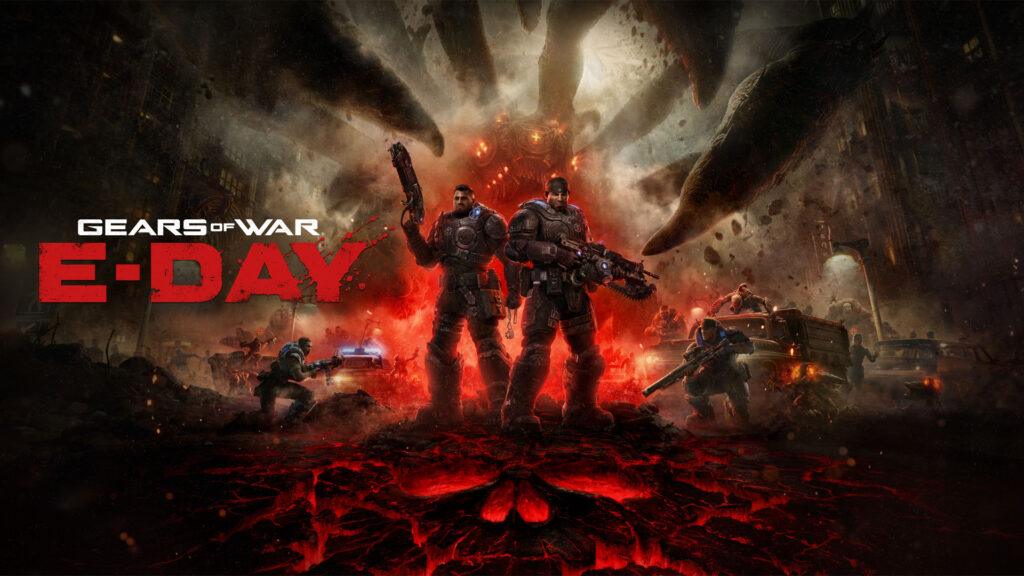

Le prime stime di vendita di Gears of War: E-Day non sono così positive come si potrebbe pensare, come spiega il noto analista del settore Rhys Elliot.
Alinea Analytics ha diffuso i consueti dati di venduta dell’ultimo periodo. Se da un lato Sony deve farsi due domande sulle copie fisiche di Marvel’s Wolverine, Xbox, secondo Elliot, dovrà ora capire se il modello dell’Xbox Game Pass può andare veramente avanti com’è ora.
Andiamo per gradi. Gears of War: E-Day ha venduto finora circa 230 mila copie (ecco la nostra recensione). Steam rappresenta 168.000 copie del totale, mentre su Xbox (console e PC) sono state vendute 62 mila copie. In ogni caso, sottolinea Elliot, Xbox rappresenta la maggior fetta dei ricavi, ma c’è anche altro nel suo commento: “Su Xbox, Game Pass sta cannibalizzando gran parte dei ricavi premium. Le nostre stime mostrano che 1,7 milioni di persone hanno acceduto a E-Day tramite il loro abbonamento piuttosto che una copia. Ma Xbox sta avendo il meglio di entrambi i mondi – o almeno a metà – tramite l’upgrade Game Pass Premium Edition.”
Gli abbonati a Game Pass potevano pagare $30 (o l’equivalente locale) per fino a cinque giorni di accesso anticipato a partire dal 1° ottobre. Le nostre stime mostrano che, dei 1,7 milioni che hanno acceduto a E-Day tramite Game Pass, 722K hanno pagato per l’upgrade. Tra la rimozione dell’embargo recensioni il 1° ottobre e il lancio completo, E-Day è riuscito a spostare altri 250K upgrade di accesso anticipato – senza dubbio aiutato dalle recensioni entusiastiche della campagna.
Includendo i 722.000 upgrade da Game Pass, le stime parlano quindi di quasi 950 mila persone che hanno effettivamente pagato qualcosa per E-Day – ma non tutte a prezzo pieno.
“Questi sono numeri deboli per un titolo di punta”, spiega Elliot, poiché “Xbox ha disperatamente bisogno di successi sui ricavi.”
Naturalmente, Game Pass porta ricavi ricorrenti significativi, e E-Day sta aggiungendo valore per centinaia di migliaia di abbonati. Tuttavia, Game Pass non sta più crescendo, quindi Xbox si trova a un bivio. Secondo l’analista, Microsoft monitorerà con molta attenzione proprio i risultati di Gears (e probabilmente anche di Fable, la prossima grande uscita della compagnia) per capire se il modello di Game Pass com’è oggi può funzionare ancora. Elliot chiude appunto con un pensiero molto importante:
Quando un gioco così dannatamente fantastico e ben recensito fa così piano sulla sua piattaforma home, è il modello – non il gioco – a essere messo in discussione.
Gears of War: E-Day has sold 230K copies (@alineaanalytics estimates).
Steam accounts for 168K of those, with Xbox (console and PC) selling 62K. But there’s more to this story, as Xbox makes up the bulk of revenue (almost three-quarters).
On Xbox, Game Pass is cannibalising much of the premium revenue. Our estimates show that 1.7M folks accessed E-Day via their subscription rather than a copy. But Xbox is having it both ways – or having it halfway, at least – via its Premium Edition Game Pass upgrade.
Game Pass subscribers could pay $30 (or their local equivalent) for up to five days of early access starting October 1. Our estimates show that of the 1.7M who accessed E-Day through Game Pass, 722K paid for the upgrade. Between the review embargo lifting on October 1 and the full release, E-Day managed to shift another 250K early-access upgrades – no doubt helped by the campaign’s rave reviews.
So despite selling far fewer copies on Steam, Xbox accounts for almost three-quarters of the revenue (roughly $26M of the $37M, versus about $11M on Steam). So “230K copies” undersells the paying audience. Including the 722K upgrades, nearly 950K people actually paid something for E-Day.
While E-Day is a sublime game (it’s made my top 10), these are soft numbers for a flagship when Xbox badly needs revenue wins. E-Day sold 62K copies on Xbox against 722K Premium upgrades, so for every one copy sold on Xbox, nearly 12 Game Pass upgrades were sold. The $70 premium SKU is – functionally – dead on Xbox.
In a world without day-one Game Pass, many of these folks would have bought E-Day at $70. They paid $30 for five days early access to something they don’t own. Xbox is, in effect, charging its most valuable customers the least, based on a hangover from a tried-and-exhausted strategy from a previous administration.
Those 722K willing-to-pay players generated about $21.7M via the upgrade. If three quarters of this group – mostly US and European audiences – bought E-Day outright, that’s nearly $40M.
Of course, Game Pass does bring in meaningful recurring revenue, and E-Day is adding value for hundreds of thousands of subscribers. However, Game Pass is no longer growing, so Xbox is at a crossroads.
Normally you can’t see what a Game Pass player would have paid, because the game’s just there in the subscription. But the $30 early-access upgrade estimate shows that 722K people demonstrated they’ll spend real money on this game.
Xbox is reportedly looking to do a Netflix and bolt on an ad-supported tier to pad it further. But that will just set a new floor, and leadership keeps telling us the priority now is revenue growth, which is subscriber-speak for ARPU.
Xbox has already pulled Call of Duty from day-one Game Pass after day-one inclusion hammered its sales, with new CoD titles now arriving on the service around a year late. We know that some Microsoft executives believe the service devalues games outright, and rumours (which Microsoft has dismissed so far, to be fair) suggest that day-one releases could be taken off Game Pass.
When a game this bloody awesome and well-reviewed does this softly on its home platform, the model – not the game – gets brought into question.
Which leaves Xbox at a crossroads. Will it keep making Gears games when the financial returns are this thin and the margins this low? And if it does, does the next one arrive off Game Pass at day one – the way CoD now does, or on PlayStation?
More, including player crossover and playtime distribution, on the new Substack.
— Rhys Elliott (@superhys) October 9, 2026







Scrivi un commento